










Wildlife
at
Lewa

Always leave space for wildlife was my great-grandfather's mantra. And that small phrase has been the genesis of the Lewa Wildlife Conservancy.
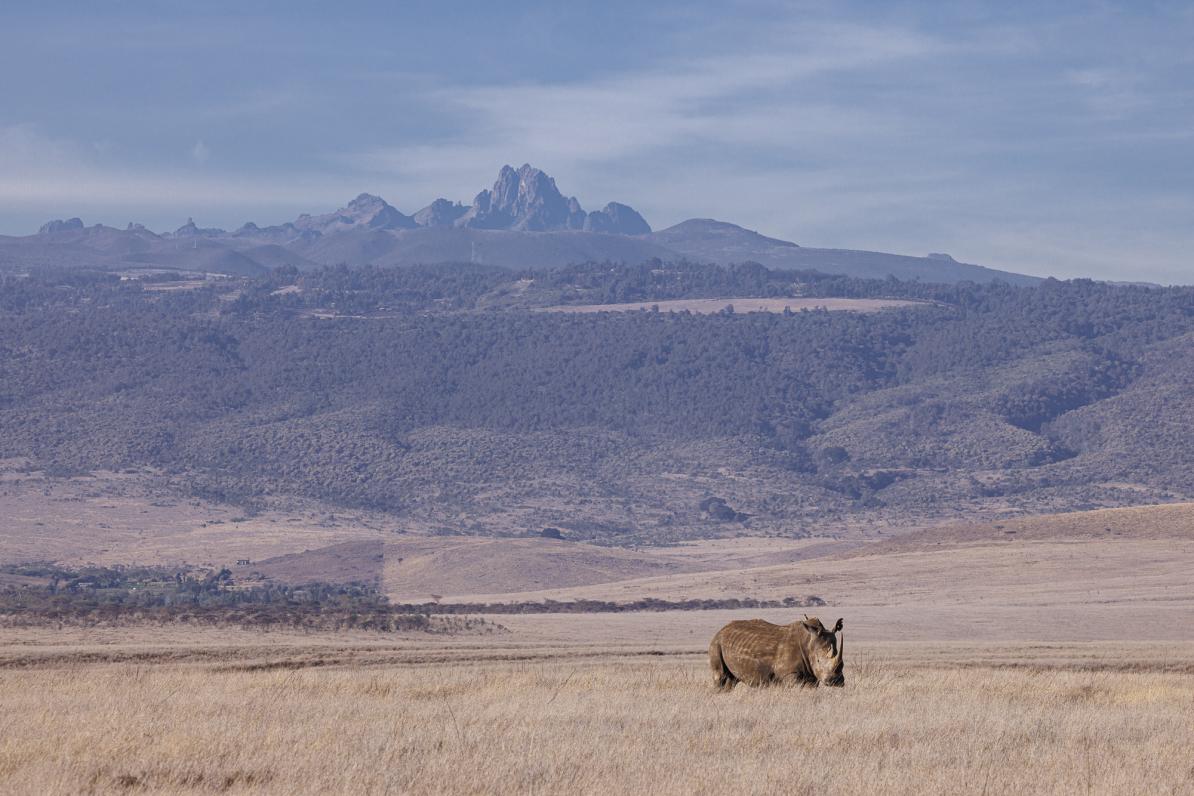
We're now a haven for many different species: in particular the black rhino; and the conservation has been so successful that we're now able to relocate black rhino to other areas of Kenya where they have become extinct.

The Big Five and beyond
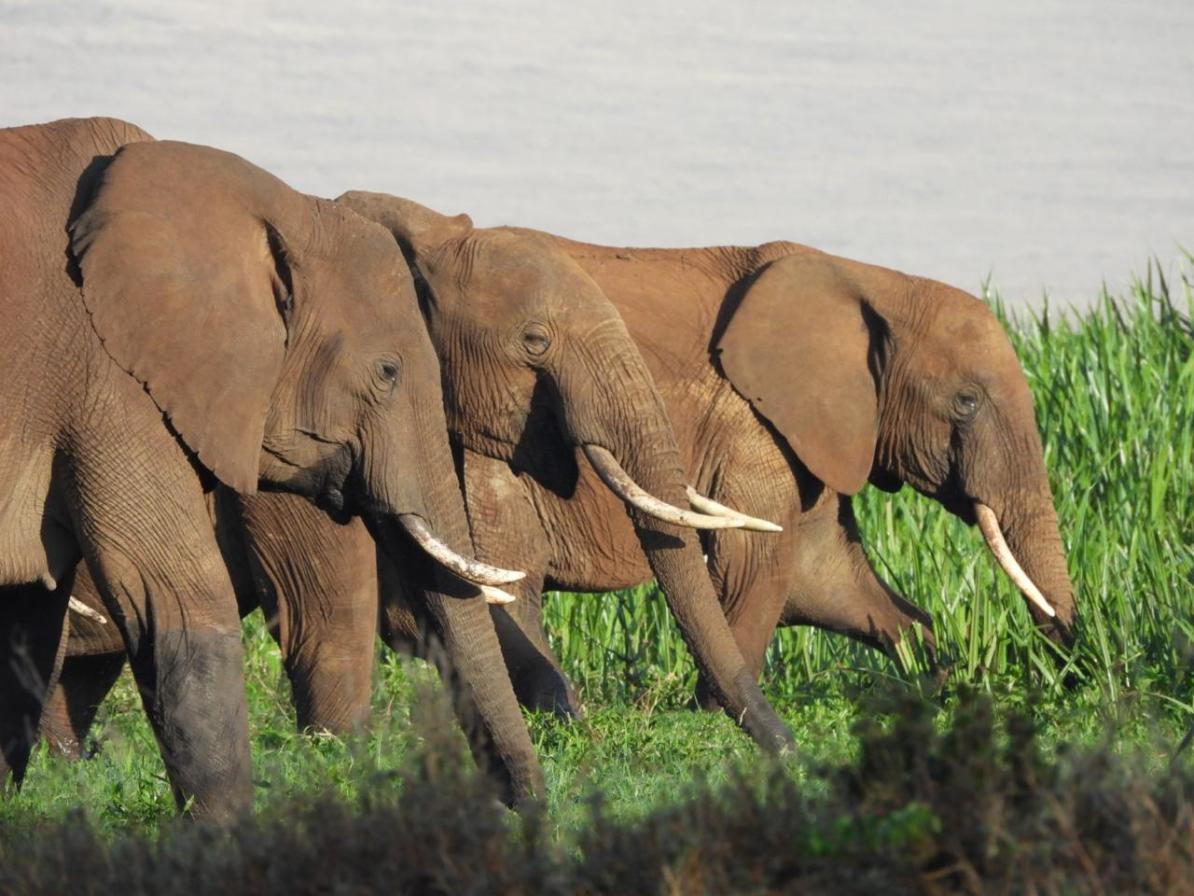
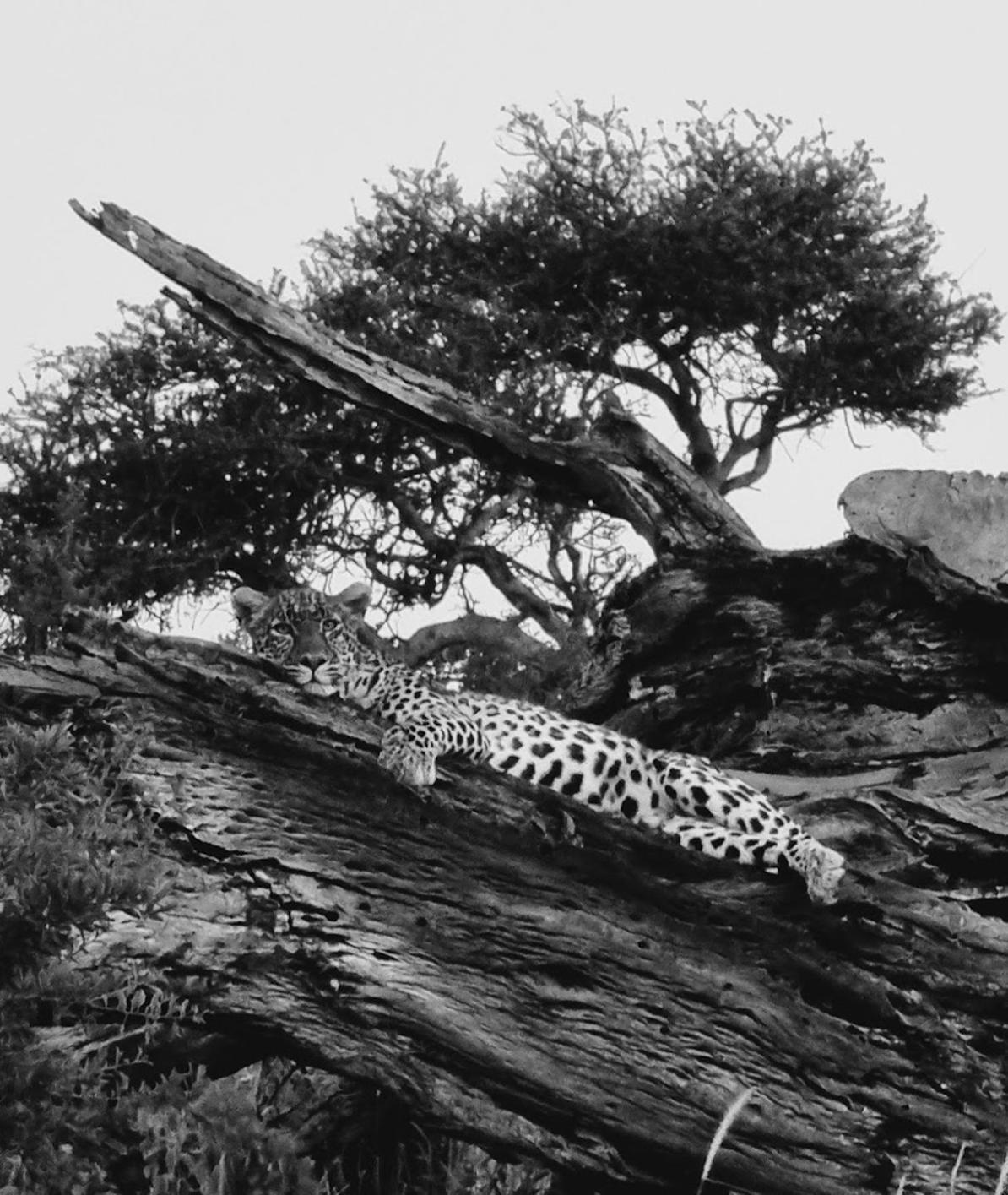
Alongside these northern specialists, Lewa is also home to the iconic Big Five — elephant, buffalo, lion, leopard and black rhino — all encountered within a vast, protected ecosystem where wildlife moves freely and naturally.
The Big Five and beyond

Alongside these northern specialists, Lewa is also home to the iconic Big Five — elephant, buffalo, lion, leopard and black rhino — all encountered within a vast, protected ecosystem where wildlife moves freely and naturally.

Leopard

- Status Vulnerable
- Population 70,000

Elephant
- Status Vulnerable
- Population 400,000

Black Rhino

- Status Critically Endangered
- Population 3000 - 6000

Cape Buffalo

- Status Near threatened
- Population 900,000

Lion

- Status Vulnerable
- Population 30,000
Kenya’s Northern Five
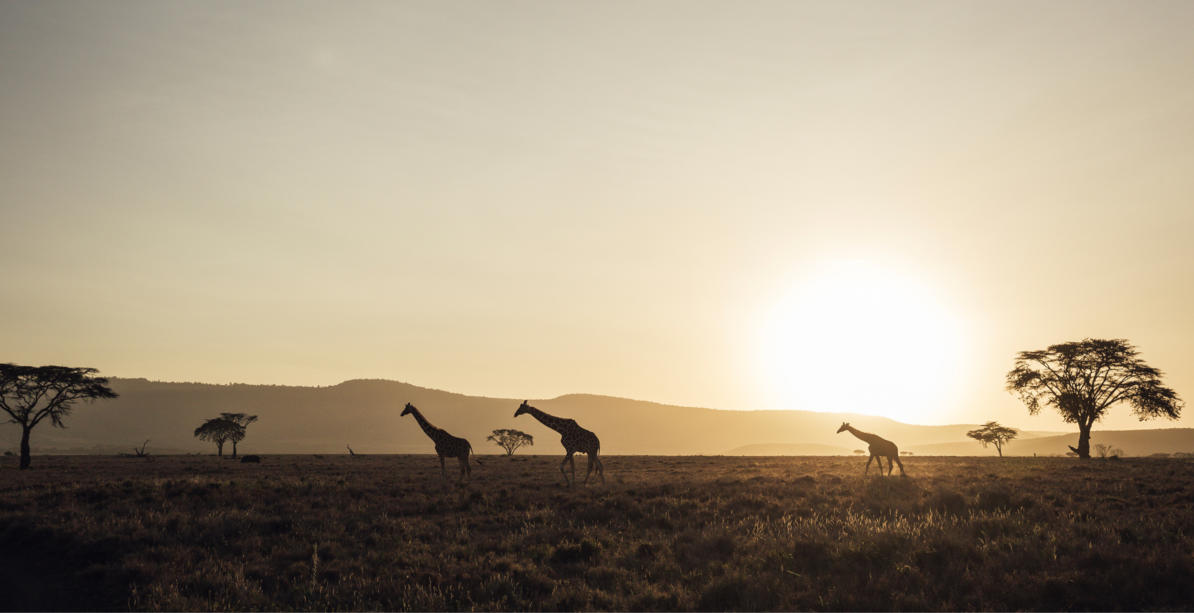
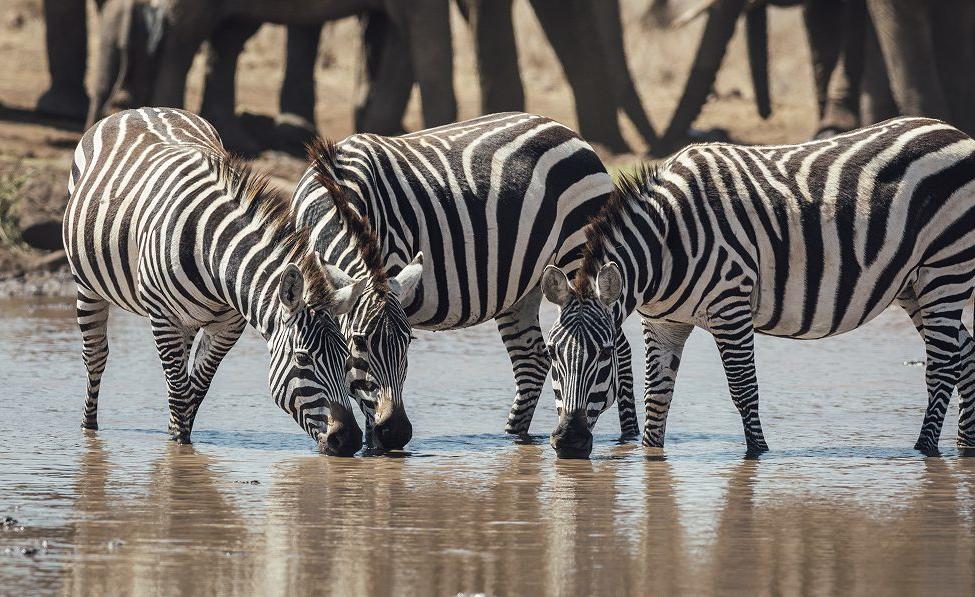
While Lewa remains one of the few places where encounters with the Big Five are still possible, what truly sets this landscape apart is its role in protecting some of Kenya’s rarest northern species. Found only north of the equator, these animals are far less familiar — and far more vulnerable.
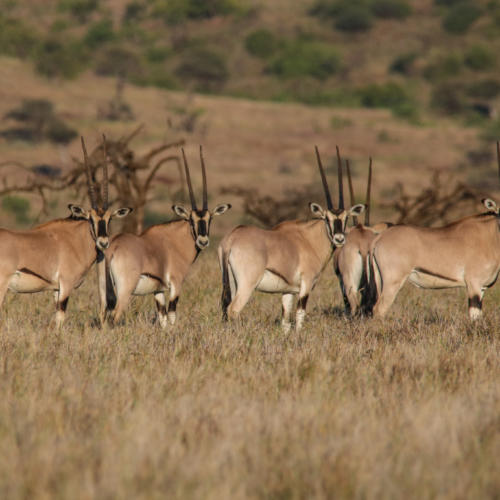
Beisa Oryx
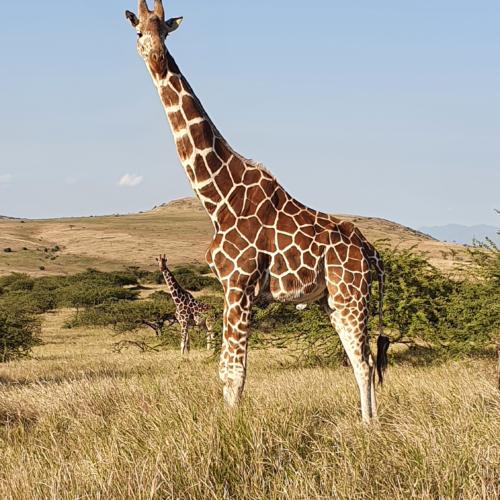
Reticulated Giraffe
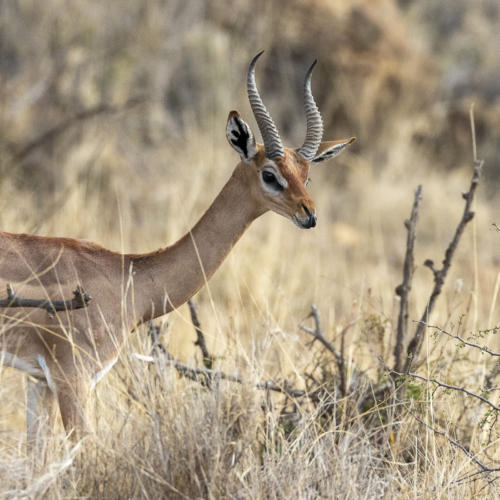
Gerenuk

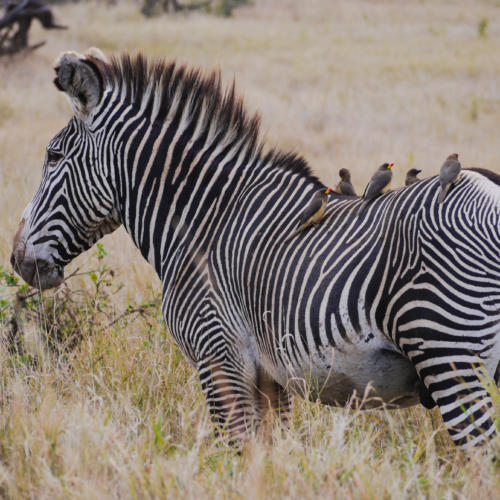
Grevy’s Zebra
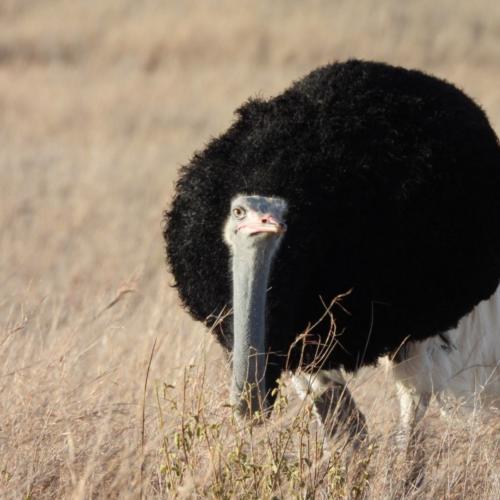
Somali Ostrich
Lewa Wildlife Conservancy is a UNESCO World Heritage Site, recognised for its exceptional biodiversity.
Inscribed in 2013, Lewa spans 62,000 acres and ranges in elevation from 4,500 to 7,500 feet. This diversity creates a remarkable mix of habitats — from ancient cedar forests and open savannah grasslands to wetlands, steep valleys and rugged hills.
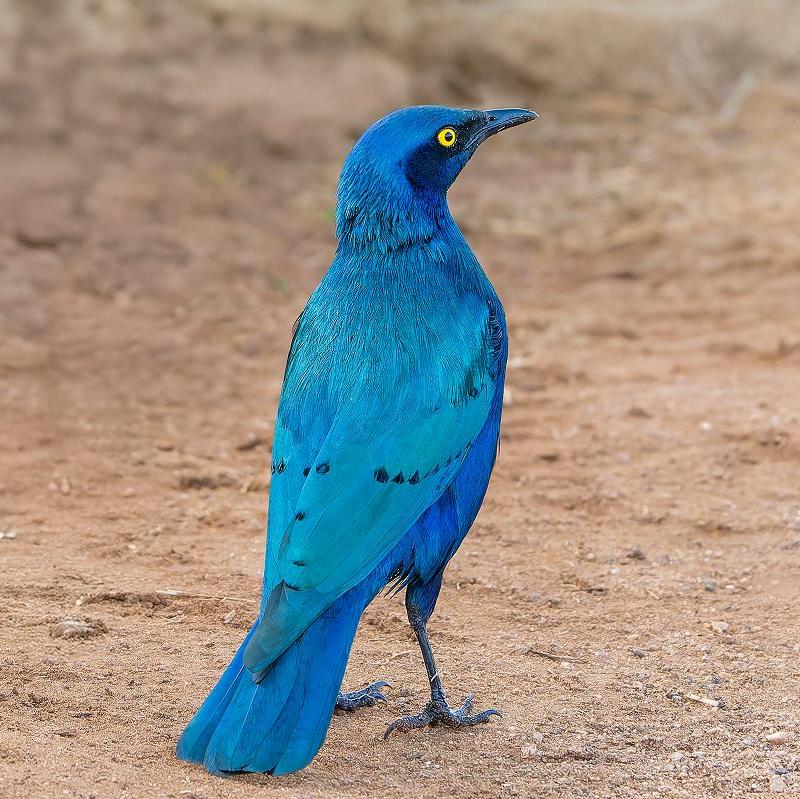
Lewa supports a rich variety of plant, bird and animal life.

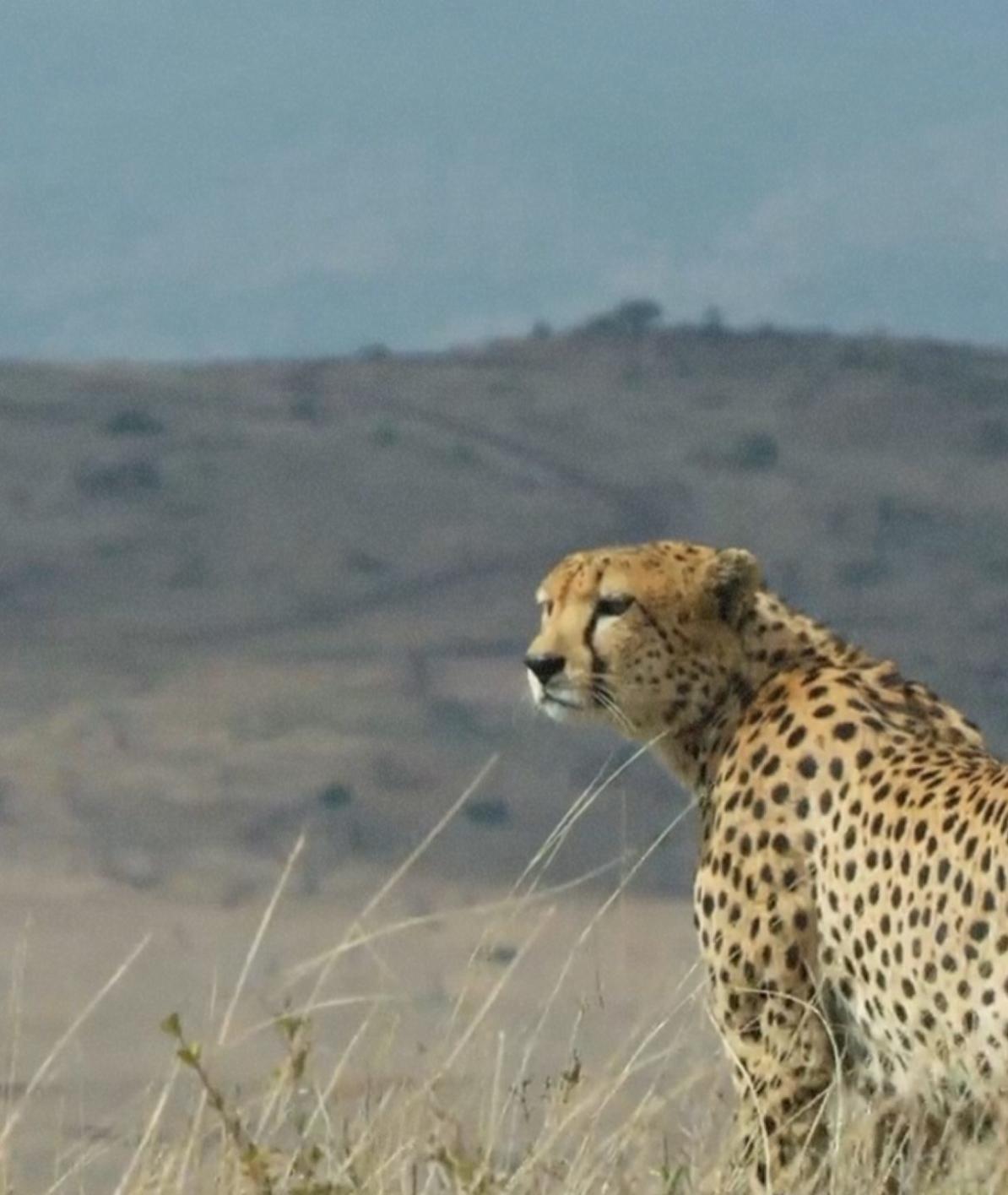
Open plains and high vantage points offer some of the finest game viewing in East Africa.
Room for Resilience
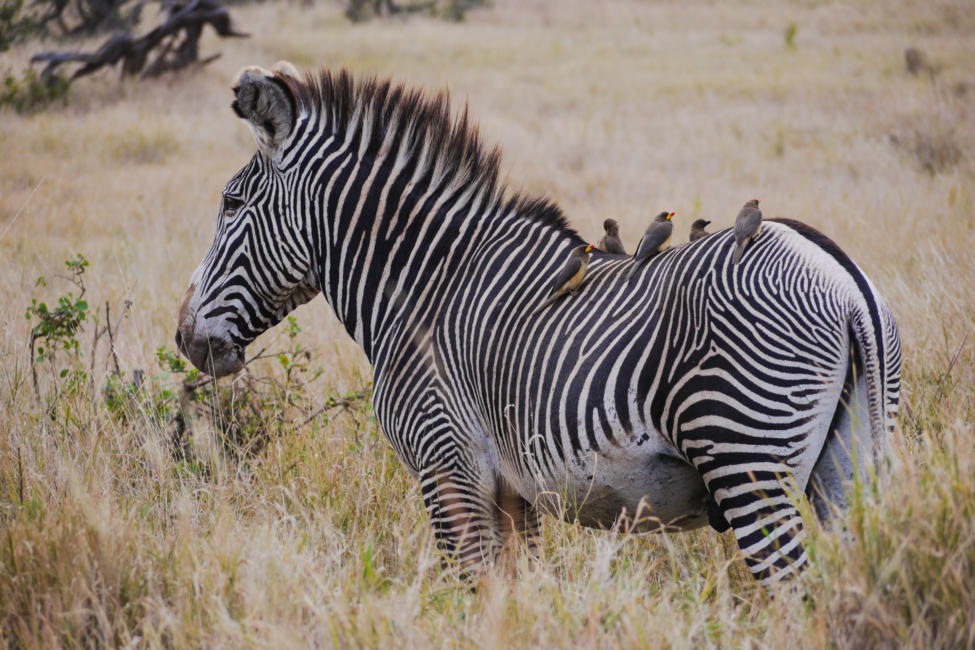
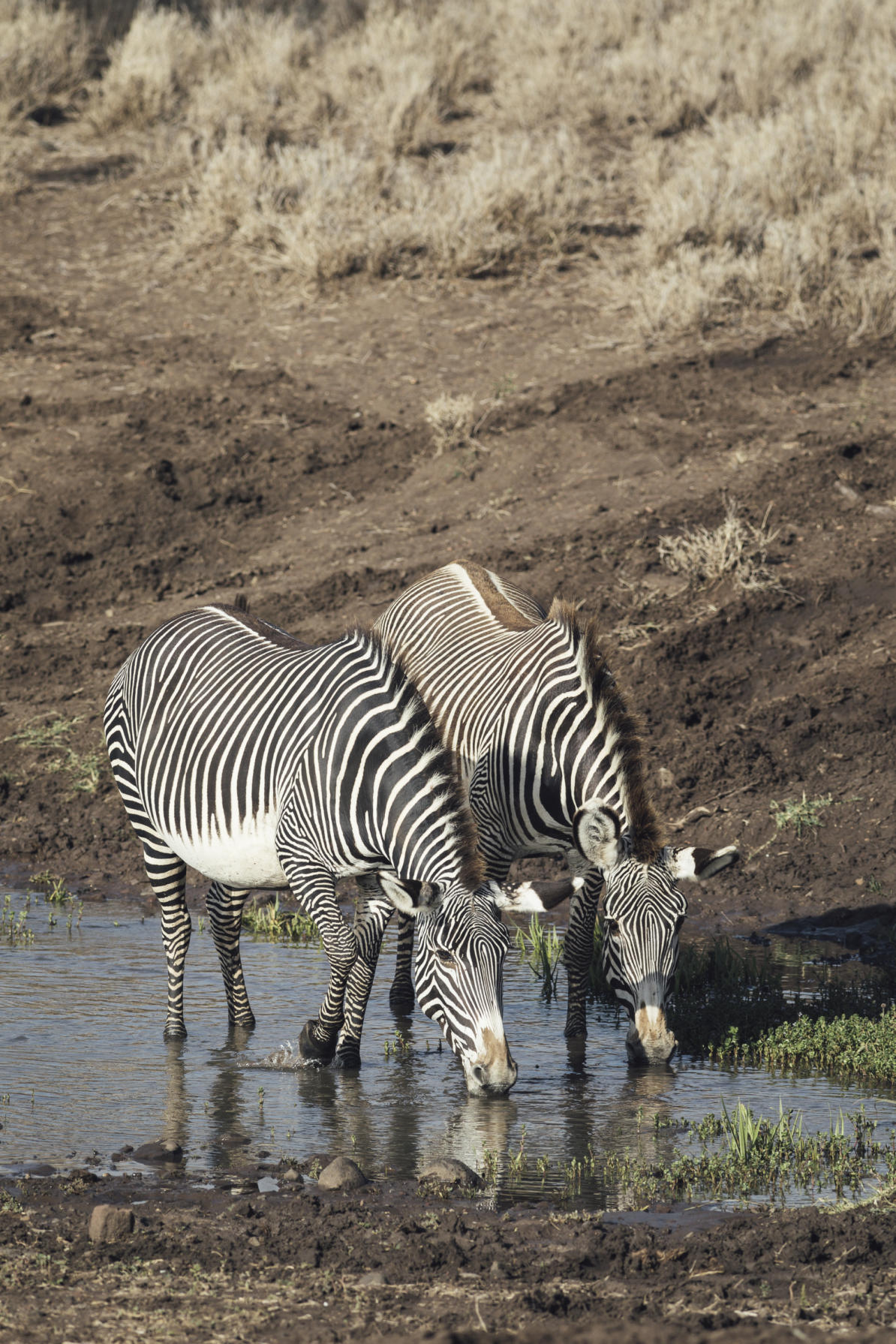
The Grevy’s zebra is a large, iconic animal, instantly recognisable by its expressive, round “Mickey Mouse” ears. Endemic to the semi-arid landscapes of the Horn of Africa, their historic range stretches from Somalia into northern Kenya, where stallions traditionally guard territories around vital water sources.
As human populations expanded and pressure on these waterholes intensified, Grevy’s zebra were forced south. The first individuals arrived at Lewa in the late 1970s. Since then, they have made our home their own. Today, Lewa supports approximately 12% of the global Grevy’s zebra population — a statistic that makes them significantly rarer than the better-known black rhino.
A refuge for the Black Rhino
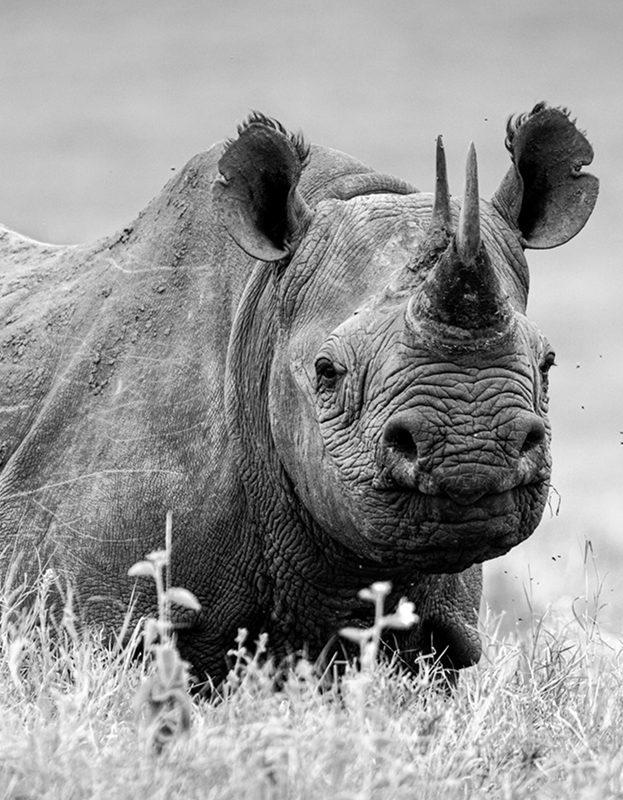
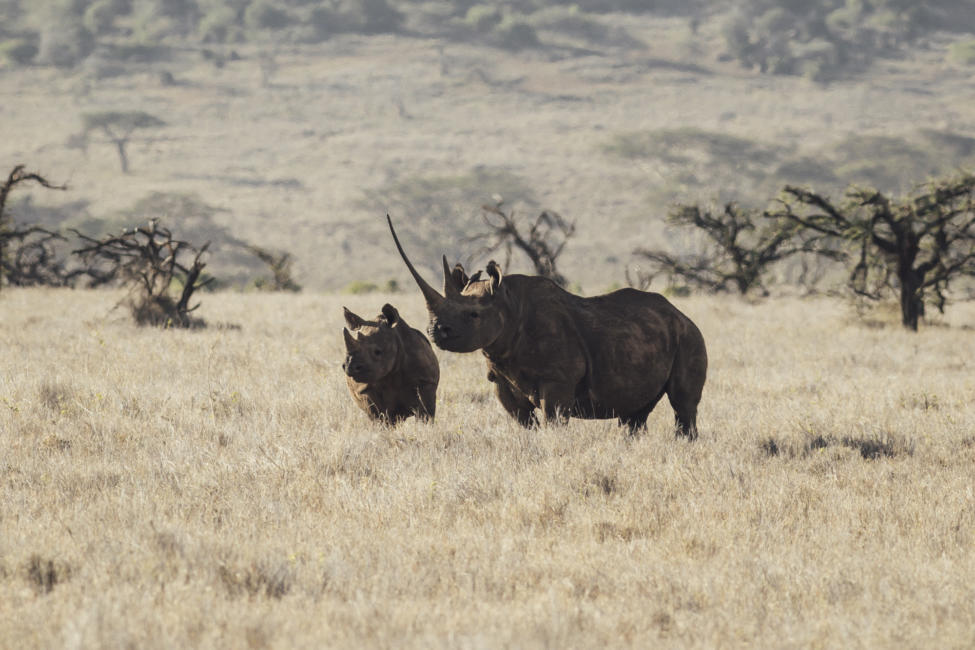
Lewa has been at the forefront of black rhino conservation since the 1980s, when populations were rapidly declining. Today, the conservancy protects 15% of Kenya’s growing black rhino population, standing as one of Africa’s most important strongholds for the species.
Beyond rhino, Lewa safeguards a wide range of rare and endemic mammals, birds, plants and amphibians — including the Grevy’s zebra, now rarer than the black rhino itself.
“Leave space for wildlife”
— Alec Douglas, 1922 | Lewa Wildlife Conservancy
Become part of a living legacy. Plan your visit and join us in protecting this landscape for generations to come.


